Visiting Parks and Sanctuaries
Visiting Parks and Sanctuaries
Plan visits to wildlife parks and sanctuaries with guidance on enclosures, handling rules, keeper talks, tickets and respectful behaviour for families.

You will learn how to read park types, visitor rules, encounter limits and planning checks as a family. The short answer is to start from the official finder to match a park to a weekend or a holiday.
What the official park finder actually gives you
The official NSW National Parks site presents one simple entry point called 'Visit a national park'. It invites you to find parks to visit on your next weekend or holiday, which helps you think in terms of time first and place second. A weekend points you toward a short drive, a short walk and a simple picnic plan. A holiday opens room for a longer stay, a slower rhythm and a second or third stop if the children stay curious. That framing keeps expectations clear before you look at any map. You choose how much driving, walking and waiting your group can handle, then you use the finder to see which park fits that shape. The 'Visit a national park' page does not publish an entry price.
Wildlife-rich landscapes without leaving the state
The same site explains that you do not need to leave NSW to get a taste of the outback. The phrase matters for families on the South Coast because it resets the idea of distance. You do not need a cross-country trip to show children open ground, dry bush, night skies and animals that suit drier country. You need a park type that holds wildlife-rich landscapes within reach of your base. Think of landscape as habitat first. Open woodland, scrub, rocky ridges and grassy flats each shape what you might see and how far you can see it. With young children, open views help. You can scan from a track, a lookout or a camp edge without walking far. With older children, a change in plant cover becomes a lesson in itself, as birds and small mammals follow shelter, water and food.
How do 4WD trails and camping spots change a family day?
Outback NSW is described through rugged 4WD touring trails and rustic camping spots. Those two details tell you a lot about access and comfort. A rugged touring trail signals a rough surface, longer travel time and a vehicle requirement that a standard family car may not meet. If you travel with children, read that as a limit. You stay on sealed or formed roads, you pick a shorter loop, and you keep fuel, water and snacks within easy reach. A rustic camping spot signals the same logic for the night. It points to basic facilities, self-reliance and quiet hours after dark. For families, that means you plan sleep, toilets, light and cooking before you arrive. You also plan how children move around camp, where they play, where food is stored and how you keep noise low for nearby campers and for nocturnal animals.
What does long-standing Aboriginal culture mean for how you walk?
The site links these landscapes to rich Aboriginal culture stretching back tens of thousands of years. For a visitor, that history is not background detail. It shapes how you walk, look and listen. Tracks, rock sites, waterholes and plant communities carry meaning and use that continue today. You stay on marked paths, you do not touch rock art, you do not move stones or wood, and you take all rubbish with you. You also keep voices low at sensitive places and you follow local signs about access or photography. If you want to find parks for weekends with that lens, look for park pages that explain cultural places and guided walks. A short guided walk often teaches more than a long unguided one, because a guide can name what the bush provides and why some places ask for quiet.
Can you set encounter limits before you see an animal?
You cannot set the animal side of an encounter, but you can set your side before you arrive. Decide in advance that you will watch from a distance, keep the group together and let the animal move away first. Teach children to use eyes and ears before feet. Stop, crouch a little if it helps them stay still, and speak in a low voice. Keep hands empty, because food in hands changes behaviour and brings bites, stress and dependence. Keep dogs out of the equation where the rules ask for it, and keep prams and bags from blocking a track when you stop to look. These habits sound simple, yet they decide whether a sighting stays calm. A calm sighting lasts longer, which matters more to a child than a close one. If the animal changes posture, stops feeding or looks toward you for more than a moment, you widen the gap.
How to shape the day around children and viewing
A family day works best when viewing time is short, repeated and tied to rest. Plan one morning walk when animals are often more active, then a midday break for food, shade and play. Add a second short look in the late afternoon rather than one long push through heat and tired legs. Bring binoculars that fit small hands, a hat that stays on, water that is easy to reach and a spare layer for wind near the coast or cold after sunset inland. Agree on how close you stand when you meet native animals, and give each child a clear job, such as spotting movement, counting birds or holding the map. The job keeps them engaged without chasing. If someone gets loud or tired, treat that as the end of the viewing block. You can return to the same spot later, and a second quiet visit often shows more than forcing the first one to continue.
Which checks close the gap before you drive?
Use the last evening at home for practical checks. Confirm which park suits a weekend or a holiday, what road surface you will meet, whether camping is rustic or serviced, what to carry for water and waste, and what cultural guidance applies on the tracks you plan to use. Read the current alerts for closures, fire rules and track conditions, and save an offline copy of the map in case coverage drops. Share your route and return time with someone who stays home. On arrival, read the signs at the trailhead again, because advice on the ground can differ from what you read the night before. The site also points to key checks for a sanctuary day if your trip mixes a national park with a wildlife park, since fenced and unfenced places ask for different behaviour around food, fences and handling. When you close the car door at the trailhead, keep the plan loose enough to cut the walk short.
NSW National Parks: Visit a national park. It is the official NSW National Parks site for finding parks to visit on a weekend or holiday. It presents Outback NSW as wildlife-rich landscapes with rugged 4WD touring trails and rustic camping spots. It also presents rich Aboriginal culture stretching back tens of thousands of years. Use it to match a park to your time, then check the park page for roads, camping and local guidance before you set out.
Park and sanctuary guides set out rules and organisation, yet the same question runs through every one of them: what is an animal being assessed for? Bush and Feather has an article on what a working standard tests and why it matters, covering the difference between judging an animal on its appearance and judging an animal on its work, the gap between work lines and show lines, and a keeper's decision made on observed, recorded behaviour. That distinction sits behind many of the rules these guides describe. Read the article on judging an animal on its work before your next visit.

Visiting Parks and Sanctuaries
Meeting Animals Up Close
Understand what visitors may touch, feed or photograph, which encounters need supervision, and how handling rules protect animal welfare and safety.
What visitors may touch, feed or photograph.

Visiting Parks and Sanctuaries
What Wildlife Parks Provide
See how wildlife parks provide veterinary care, diets, enriched enclosures and species records that private homes and backyards cannot safely replicate.
Veterinary care, diets and enclosures a backyard cannot match.

Visiting Parks and Sanctuaries
Planning a Sanctuary Visit
Check opening hours, accessibility, animal encounter rules, photography policies and weather advice before visiting a sanctuary with children.
Hours, access, encounter rules and weather advice.

Visiting Parks and Sanctuaries
Where Animals Go After Closure
Follow what happens when a wildlife park closes, how animals are rehomed to facilities, and what records and permits guide transfer decisions.
Licences, transfers and records when gates shut.
Visiting Parks and Sanctuaries
The Photo Essay a Park Visit Can Carry
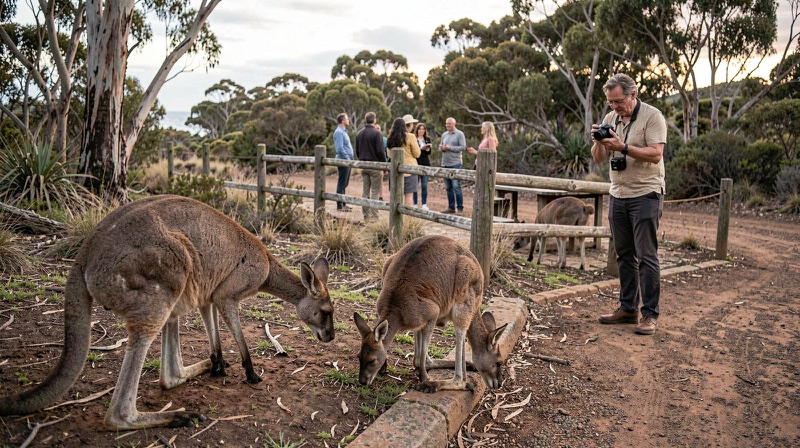
Structure a day of park photographs into a real photo essay: the seven working frames, consent for people in them, and the duty of care a project owes.
Seven working frames, consent and the duty of care.
Visiting Parks and Sanctuaries
How a Region Files Its Sectors and Projects
Steel, technology, food processing, seafood and small firms: how an investment notebook files Odisha's sectors, Make in Odisha summits and grounding rates.
Steel, IT, food processing and the grounding rate.
Visiting Parks and Sanctuaries
Animal Photography in Motion at a Wildlife Park
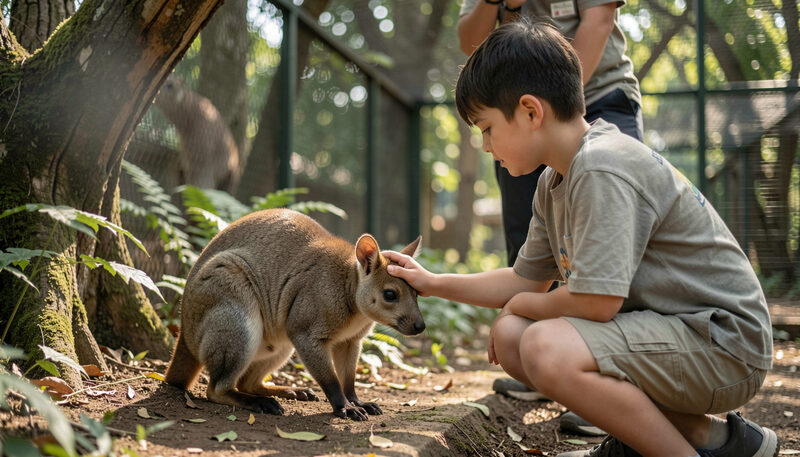
How to photograph animals in motion at a wildlife park: documented exposure values, long focal lengths, no flash, keeper talks, and sorting the take after the
How to photograph animals in motion at a wildlife park: documented.
Visiting Parks and Sanctuaries
What a Working Standard Tests, and What It Does Not
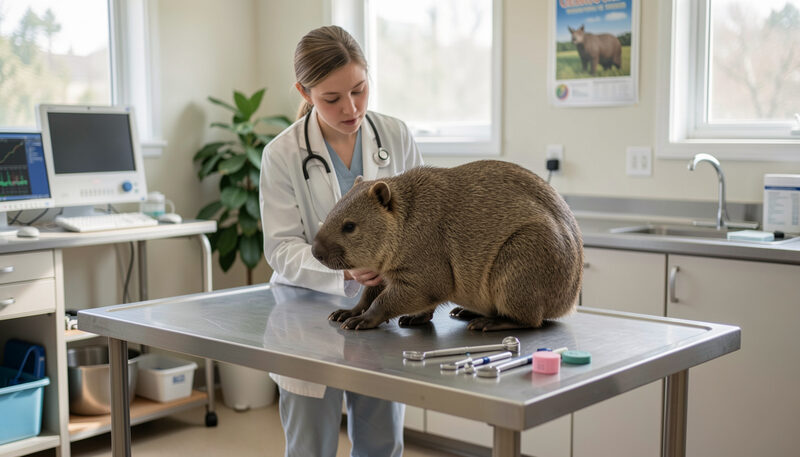
A working standard tests tracking, obedience, endurance and temperament under a judge. A written standard describes shape. The two measure different things.
A working standard tests tracking, obedience, endurance and temperament.
Visiting Parks and Sanctuaries
Why a Dated Local Record Is Worth Keeping
A year-by-year village record and a park's seasonal notes both let a newcomer compare what changed between two visits.
A year-by-year village record and a park's seasonal notes both let a.