South Coast Wildlife
South Coast Wildlife and Habitats
Explore South Coast mammals, birds and bushland habitats with identification tips, viewing ethics, sanctuaries and rescue guidance for families.

You can learn to read the coastal bush before you go out with children, and you can tell which encounters are safe to watch and which need a licence. This guide explains the main animal groups, the habitats that hold them and the viewing habits that keep native wildlife protected.
What lives along the coastal bush?
On the New South Wales South Coast you meet mammals, birds, reptiles, frogs, fish, insects and spiders in creeks, forests and the edge of towns. Mammals all share three signs you can teach to a child: hair or fur, milk for young and a warm-blooded body. Birds show a different story, because each beak shape and foot shape fits a habitat and a way of finding food. When you walk slowly and look at ground cover, tree hollows and water, you start to see where each group belongs.
The Australian Museum keeps factsheets that help you put a name on what you saw, from frogs to marine life. More than 240 species of frog have been found in Australia, and the factsheets describe native amphibians in plain terms. Fish range from the massive whale shark down to a fish under a centimetre in length, so size alone tells you little. If you want a first orientation for your walk, start with what you may see on the South Coast and note hair, feathers, scales or moist skin.
How do mammals, birds and reptiles differ at a glance?
Bats give you a clear example of mammal life at night, since they sleep through the day and search for prey after dark. You can listen for them at dusk near water and tall trees without shining light straight at them. Reptiles require the opposite approach, because turtles, lizards, snakes and crocodiles rest and warm up in sheltered spots and move away if you crowd them. The Australian crocodile is described as the largest living reptile in the world, which reminds you why distance matters even when an animal looks still.
Spiders and insects reward close observation from a step back. The Arachnology collection houses the largest collection of funnel-web spiders in Australia, and the factsheets explain origins and classification without asking you to handle anything. Insects range from butterflies to cockroaches, and many-legged crawling animals do quiet work in soil and leaf litter. You protect that work by staying on paths, keeping hands off bark and turning nothing over.
Why are almost 1,000 species at risk?
Almost 1,000 animal and plant species are at risk of extinction in New South Wales. That number covers many pressures in one figure, from lost habitat to pest animals and weeds that damage the environment and agriculture. Threatened species work in the state runs through conservation programs and partnerships rather than one single action. For a visitor, the lesson is simple: every patch of coastal bush still holds animals and plants that cannot be replaced once gone.
You can see the link between habitat and survival on a short walk. Native animals depend on their habitats for food, shelter and breeding sites, and native vegetation holds those places together. State work includes programs, services and information for landholders and developers to help them manage work around native vegetation. When you keep to tracks, keep dogs controlled and leave plants where they grow, you keep that chain intact.
How does New South Wales track plants and animals?
Teams keep track of plants and animals in their habitats and use the records they collect to shape programs that conserve them. That means a sighting is more than a memory: records over time show where populations rise or fall. The framework for the conservation of biodiversity in New South Wales sets how that effort fits together. You can read about that approach on the official page about plants and animals in New South Wales and see how monitoring feeds protection.
The same public site explains the Biodiversity Offsets Scheme and the steps that apply to development and clearing. For families, the useful point is that counting and watching have a purpose. If you use creeks, forests and coastal habitats as a map, you can talk with children about why a creek edge holds frogs, why hollows hold birds and bats, and why dunes hold yet another set. You do not need to touch or feed anything to learn.
Which encounters need a licence?
Native animals are protected in New South Wales, and that protection shapes what you can legally do. Wildlife populations are managed and monitored so that harvest stays sustainable and animals that are traded or relocated receive proper care. Many activities that involve native animals or plants need a licence, and the state pages explain which licence fits and how to apply. If you find an injured animal, the safe move is to keep people and pets back, avoid handling and call a licensed rescue group.
That licence rule also covers keeping, moving or displaying native species. A wildlife park or sanctuary works under permissions that a backyard does not have. You can look, photograph and enjoy while staying within the law, and you leave capture, care and release to trained handlers. The page does not publish fees for those permissions.
What do public lands and private lands protect?
Protection runs on two fronts, with programs that guard public lands and partnership programs that help guard privately owned lands. Public reserves hold creeks, forests and headlands where birds nest and mammals feed. Private land holds corridors between those reserves, so an animal can move, feed and breed across a wider area. Both need weed and pest control, because pest animals and weeds keep spreading across fence lines.
You can help by treating every reserve edge as sensitive. Clean your shoes and gear after a walk, carry food out and leave no scraps that teach animals to beg. State action on pests sets the larger plan, and your visit shapes the small part in front of you. When plants stay rooted and animals stay wary, the habitat keeps its balance.
How can you watch without disturbing?
Safe viewing starts with distance and quiet. Watch bats after dark without shining lights on them, watch reptiles from the path and give nesting birds a wide berth. Feeding changes behaviour and health, because human food does not match a wild diet and it draws animals towards roads and dogs. For clear limits on approach and food, check safe distances and feeding rules before you take children out.
Carry binoculars, move slowly and let animals come into view on their terms. If an animal changes what it was doing because of you, you are too close. Step back, lower your voice and give it time to settle. That habit turns a short stop into a real encounter and leaves the place as you found it.
Animals and plants, Environment and Heritage. It is the New South Wales Government hub for native plants, animals and habitat. It describes the biodiversity conservation framework, the Biodiversity Offsets Scheme, monitoring of species in habitat, threatened species programs, wildlife management, licences for activities with native species, help for landholders and developers on native vegetation, and action on pest animals and weeds. Use its licence finder and program pages to prepare a visit that stays within the rules.
The mammal and bird guides on this page describe what a South Coast observer can record in the field, and coat colour is one of those records. A pale or white animal is not automatically an albino, and the difference matters when you write it down. Two coloured parents can produce a white young, and pigment is also tied to the inner ear. A Bush and Feather article explains why white is not albinism and how to note a wild animal's coat without guessing at its genes.

South Coast Wildlife
Native Wildlife of the South Coast
Meet kangaroos, wallabies, wombats, koalas and coastal birds of the South Coast with clear identification tips, habitats and viewing notes for visitors.
Kangaroos, wallabies, wombats, koalas and coastal birds in one overview.

South Coast Wildlife
Coastal Bushland and Creek Habitats
Discover creek lines, forests and coastal scrub that shelter native animals, how habitats connect, and why quiet viewing protects feeding areas.
Creeks, forests and scrub, and how habitats connect.

South Coast Wildlife
Kangaroos and Wallabies Compared
Compare size, build, habitat and tracks to separate grey kangaroos from swamp and red-necked wallabies seen around South Coast bush and farmland.
Size, build, habitat and tracks compared.

South Coast Wildlife
Wombats and Koalas Guide
Identify bare-nosed wombats and koalas by signs, droppings and calls, learn where they shelter, and how to watch them without causing stress or harm.
Signs, droppings, calls and quiet viewing tips.

South Coast Wildlife
Coastal Bush Birds Guide
Recognise kookaburras, rosellas, honeyeaters and black cockatoos by sight and sound, with notes on coastal habitats and responsible birdwatching.
Kookaburras, rosellas, honeyeaters and cockatoos.

South Coast Wildlife
What Last Season's Rain Did to the Birds
Why bird numbers boom after wet seasons and crash in dry ones: rain builds cover, cover builds broods, and a roadside count measures change.
Rain builds cover, cover builds broods.
South Coast Wildlife
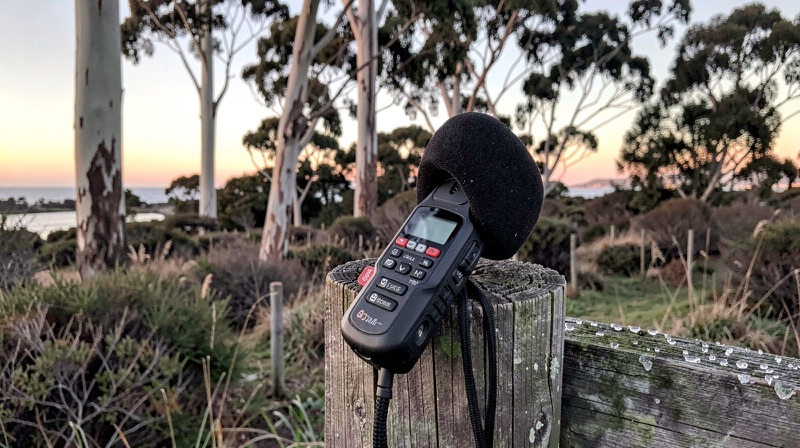
The Paperwork Behind a Recording Session
Session sheets, tape boxes and release plans run a studio date; the same paper discipline makes a field record of birdsong and wildlife sound worth keeping.
Session sheets, tape boxes and release plans for field sound.
South Coast Wildlife
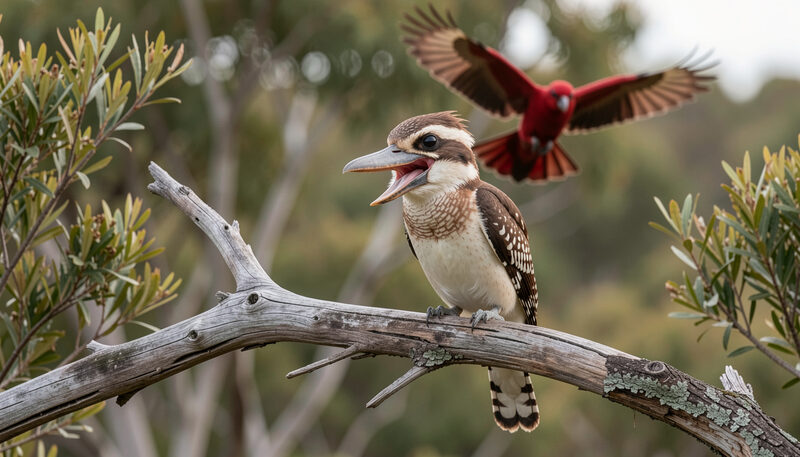
What You Hear Before the Bird
Low ceilings, hard floors and early reflections shape sound before it reaches you. The same method applies to a bush walk: name the noise, then the call.
Low ceilings, hard floors and early reflections shape sound before it.
South Coast Wildlife
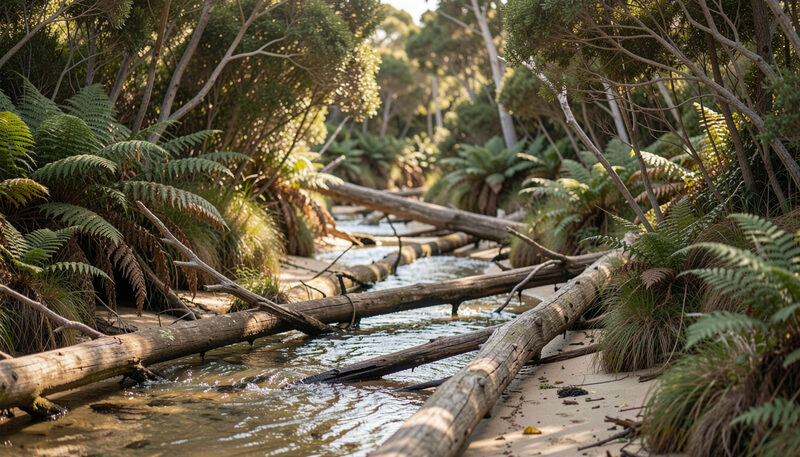
Pale and White Animals
Why two coloured parents can have a white pup, why white is not albinism, and how to record a pale animal in the field without leaning on colour alone.
Why two coloured parents can have a white pup, why white is not albinism,.