Rescue and Safety
Rescue and Safety on the South Coast
What licensed rescue involves, what to do with an injured animal, and which safe distances and feeding rules apply on the NSW South Coast.

The Rescue and Safety section gathers the guides that explain what licensed wildlife rescue and rehabilitation involves, what to do when you find an injured animal, and which safe distances and feeding rules protect both people and native animals.
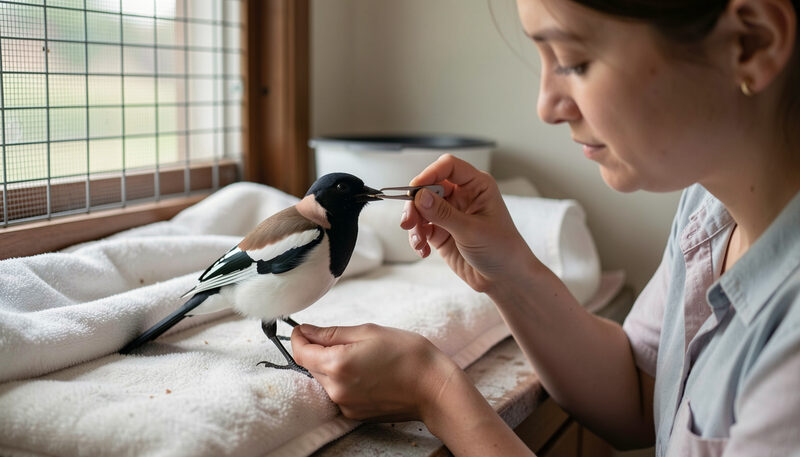
Licensed rescue in New South Wales runs through training and permits. Carers learn handling, hygiene and feeding for each species group, work under a licence group, and keep records of every animal from rescue to release. The rehabilitation guide describes the daily routine: rescue and transport, veterinary triage, feeding and housing, then either release near the rescue site or long term care when release is not possible.
Finding an injured animal calls for calm steps. Keep dogs and children away, watch from a distance before deciding whether the animal truly needs help, and call a licensed rescue group with the location, the species if you know it, and what you observed. Do not offer food or water, do not wrap the animal unless the rescue group asks, and never attempt to keep a native animal at home: most need a licence to hold.
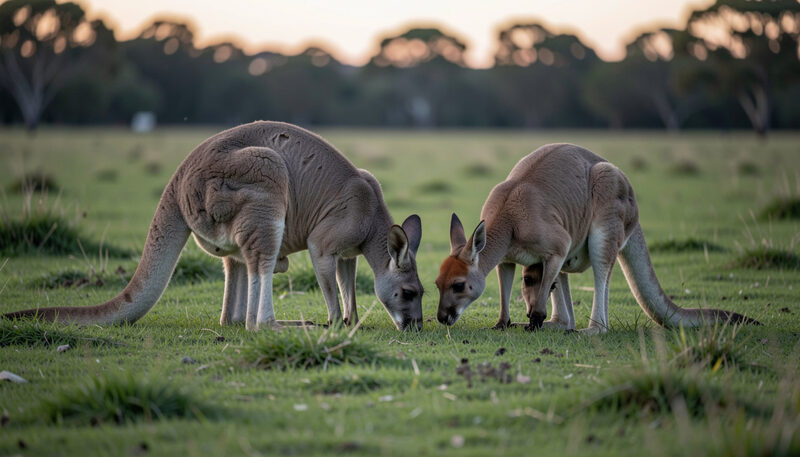
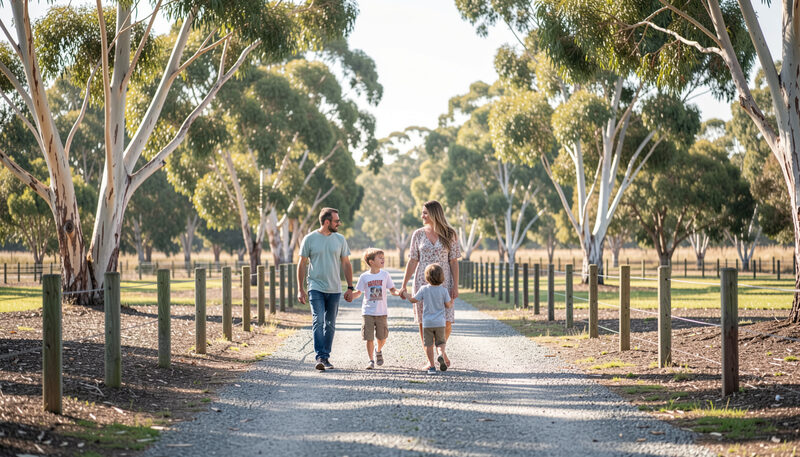
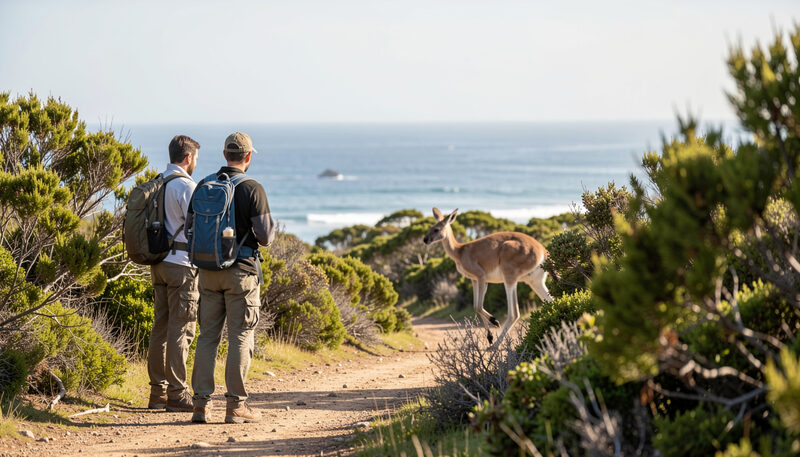
Safe distances change with the species. Kangaroos need several metres and a clear exit path, koalas need quiet and no handling, nesting birds need a wide berth during breeding season. Feeding wild animals is never allowed: human food harms digestion, teaches begging, and brings animals onto roads. The distances guide lists the rules group by group so families can model calm behaviour on every walk.
Licensed Rescue and Rehabilitation
Outline training, permits and daily care behind licensed wildlife rehabilitation, from rescue and veterinary triage to release or sanctuary care.
Read the guide: Licensed Rescue and Rehabilitation
Distances and Feeding Rules
Keep safe distances from kangaroos, koalas and nesting birds, never feed wild animals, and model calm behaviour that keeps people and wildlife safe.
Read the guide: Distances and Feeding Rules
What Happens After the Bill Arrives
Charity care, discounts, payment plans, disputes, collections and credit-report rules: how a billing desk reads the path a medical bill travels.
Read the guide: What Happens After the Bill Arrives
What an Eye Exam Records, and What It Leaves Open
An eye exam can read normal in a young animal that still carries an inherited condition. What a certificate records, what it leaves open, and how to check
Read the guide: What an Eye Exam Records, and What It Leaves Open
Spotting a Joint Problem While It Is Still Small
Stiffness after rest, a shifting gait, a dog that stops jumping: how owners spot joint trouble early, what a hip score means, and how to log changes week by
Read the guide: Spotting a Joint Problem While It Is Still Small
Health Records: Why the Paperwork Keeps Working
What a health register entry records, why results carry dates instead of lasting for life, and how lost certificates and retest calendars work.
Read the guide: Health Records: Why the Paperwork Keeps Working
Joint Supplements: Reading the Label and the Load
The dose on the front of a joint supplement pack is not the dose the animal gets. What matters more is body condition, steady weight and movement watched over
Read the guide: Joint Supplements: Reading the Label and the Load
Rescue and Safety
Licensed Rescue and Rehabilitation
Outline training, permits and daily care behind licensed wildlife rehabilitation, from rescue and veterinary triage to release or sanctuary care.
Training, permits and daily care behind licensed rescue.

Rescue and Safety
Distances and Feeding Rules
Keep safe distances from kangaroos, koalas and nesting birds, never feed wild animals, and model calm behaviour that keeps people and wildlife safe.
Distances, feeding bans and calm behaviour.

Rescue and Safety
What Happens After the Bill Arrives
Charity care, discounts, payment plans, disputes, collections and credit-report rules: how a billing desk reads the path a medical bill travels.
Charity care, payment plans, disputes and credit rules.
Rescue and Safety
What an Eye Exam Records, and What It Leaves Open
An eye exam can read normal in a young animal that still carries an inherited condition. What a certificate records, what it leaves open, and how to check
An eye exam can read normal in a young animal that still carries an.
Rescue and Safety
Spotting a Joint Problem While It Is Still Small
Stiffness after rest, a shifting gait, a dog that stops jumping: how owners spot joint trouble early, what a hip score means, and how to log changes week by
Stiffness after rest, a shifting gait, a dog that stops jumping: how.
Rescue and Safety
Health Records: Why the Paperwork Keeps Working
What a health register entry records, why results carry dates instead of lasting for life, and how lost certificates and retest calendars work.
What a health register entry records, why results carry dates instead of.
Rescue and Safety
Joint Supplements: Reading the Label and the Load
The dose on the front of a joint supplement pack is not the dose the animal gets. What matters more is body condition, steady weight and movement watched over
The dose on the front of a joint supplement pack is not the dose the.