South Coast Wildlife
The Paperwork Behind a Recording Session
Session sheets, tape boxes and release plans run a studio date; the same paper discipline makes a field record of birdsong and wildlife sound worth keeping.
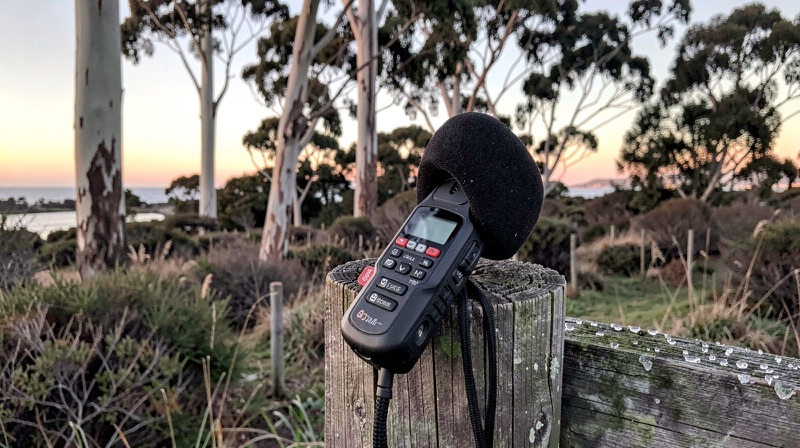
A visitor who records thirty seconds of birdsong on a phone usually ends up with a file named by a date and nothing else: no species, no place, no weather, no way to find it again. The recording survived; the record did not. Studios solved this problem generations ago with paper. Behind every finished record sits a trail of session sheets, labelled tape boxes and release plans, and the same paper habits are what turn a folder of bird calls into an archive worth keeping. This guide opens the studio's backstage door, explains what each document does, and shows how to borrow the system for field recording on the South Coast.
What is a session sheet?
A session sheet is the single page that says what happened at a recording date: who played, what was captured, which takes were kept, and in what order. Engineers wrote them because memory fails and tape looks identical from the outside. A box labelled with a date and a sheet that says "third take, complete, keep" is worth more than a perfect recording nobody can identify. The sheet is the difference between a performance and a pile of tape.
The habit survives every change of format. A phone recording of a grey butcherbird needs the same fields: where you stood, what time, what the bird was doing, what else was calling. Write it the same day, because the details that feel unforgettable at dawn are gone by lunch. A one-line note beside each file is the field version of the session sheet, and it is the difference between evidence and noise.
What do tape boxes and storage actually do?
The tape box is the session sheet's partner: a physical container with a label that matches the paper inside the folder. Studios kept masters, work copies and outtakes in separate boxes because confusion between them cost real money. The Four Lads Archive, a working archive on popular music and the paper around it, keeps a field guide to exactly this material: the session sheets, tape boxes and paper trail that sit behind a recording date, and the quiet documents that let a record exist at all. The lesson travels: a labelled container and a sheet that describes it will outlast any filename.
Field sound has the same physics. Organise recordings by outing first, then by session inside it: one folder per walk, files named for place and date, a text note with the conditions. Back them up where a lost phone does not take the season with it. The point is not neatness. The point is that in three years, when you want to prove a koel arrived early, the file still knows what it is.
What is a release plan and why does it come first?
A release plan is the document that decides, before anything ships, what will be published, in what order, for whom, and who has to agree. In the studio world it coordinates the label, the pressing plant, the artwork and the calendar, and the same archive's notes on the quiet work before an album release show how much coordination sits upstream of a record appearing in a shop. Coordination is the whole product: by the time the public sees anything, every decision it will ever contain has already been made.
The parallel for a home recordist is deciding what a recording is for before you press record. A call kept for your own reference needs only a good note. A call you intend to share with a community science project, a park or a bird group needs accurate place and date, an honest statement about how it was made, and a check that you are not publishing something sensitive, such as the location of a nest that pressure could harm.
Where does field recording meet the public record?
Australia runs one of the cleanest examples of a release plan for citizen sound. FrogID, the Australian Museum's national frog count, asks volunteers to record calling frogs on a phone app and submit the files with location and time attached; the museum's experts then identify the species and add the record to a public map. Every submission is a tiny studio date: the app is the tape box, your note is the session sheet, and the identification step is the release plan deciding what the file means before it joins the record.
That structure is why the project works. A million anonymous audio files would be an attic. Files that arrive with place, time and a verification step become a dataset that can show which frogs call where and whether the calling is shrinking. When you record on the South Coast, submitting through a system like this gives your file a life beyond your own archive, and the checklist in our guide to coastal bush birds helps you name what you heard.
What coordination does a wildlife record need?
The studio's rule is that nothing leaves without someone checking it. For field sound the check is identification, and it is the step people skip. A call you think is a raven can be a currawong; a rustle you filed as wind can be a bandicoot. Before a record enters your permanent archive, play it against a reference, or let a project like FrogID or a local bird group do the naming for you. An archive of confident mistakes is worse than no archive.
Sensitive records need a second check. Nests, roosts and the locations of threatened species are kept vague in public data for a reason: exact coordinates invite pressure. The safe distance rules apply to the microphone as much as to the boot, because a recorder pushed into a hollow changes behaviour just as a hand does. If the record could lead a stranger to an animal, keep the location to the nearest landmark rather than the tree.
How do you start a session habit this weekend?
Pick one walk and treat it as a session. Carry the phone charged, note the start time and the weather, and record with intent rather than continuously: thirty seconds per stop, at points you could find again. Between stops, write the session sheet as you go: stop number, habitat, what called, whether it answered another caller. Ten stops produce a session sheet a studio would recognise.
Home is where the paperwork finishes. Name the files before you sleep, copy them to a second place, and write the one-paragraph summary a stranger would need. Over a season, the notes stack into the thing every archive is built from: a record that answers questions you had not thought to ask yet. The birds keep their own calendar, and a well-kept box of sessions is how you learn to read it, the same patience behind the boom and bust cycle that rain writes into a district's birds.