Rescue and Safety
Sunday Trips from a Country Town
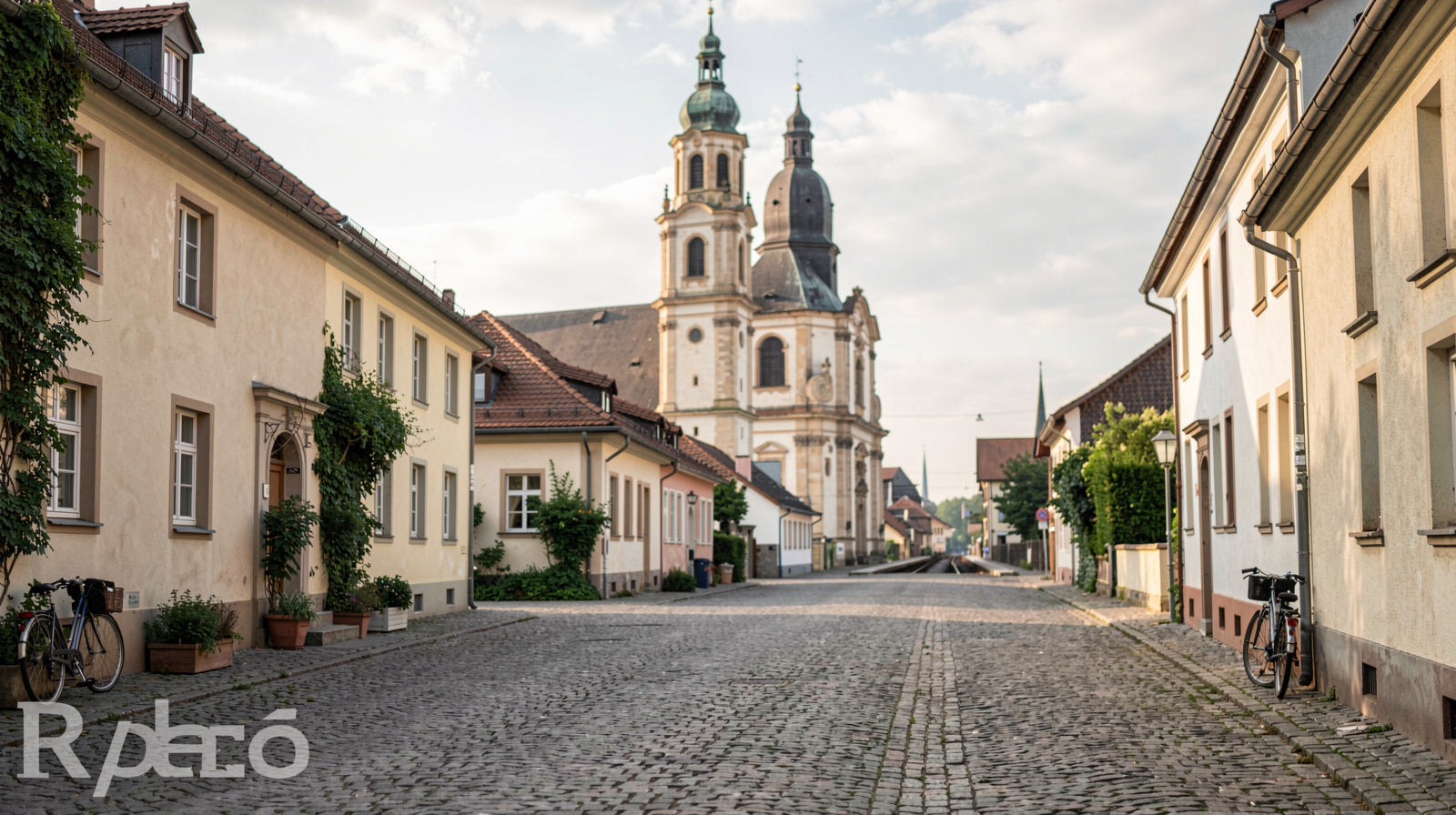
A country town can offer more Sunday options than its size suggests when a river, a forest, old architecture and a railway station all sit within a short distance. The practical approach is to sort the choices by direction and by how you travel, then pick one route instead of trying to cover everything. That is the method used by a local magazine in the Fulda valley, and it works just as well for visitors planning a single free day.
Why plan a Sunday around direction and transport?
Most day trips fail because the plan mixes too many goals. A single direction, north or south, river or ridge, keeps the driving short and leaves time at the destination. Transport matters just as much. A rail connection turns a town into a base rather than a stop, because the return trip does not depend on parking or on a driver who stays sober.
The German town of Eichenzell, in the Fulda valley, sits in exactly that situation. A river, woodland, baroque buildings and a rail link are all part of the local picture, and the surrounding region of Fulda lies closer than daily routine suggests. The local magazine Eichenzell im Fuldatal published an issue dated 28 August 2026 with a new outing guide that orders the possibilities by direction and by how visitors get there. Its regular sections cover clubs and community life, local business and craft, and trips around the region, which gives a reader a realistic sense of what a small place actually contains.
What does a small town magazine actually cover?
A local magazine is not a travel brochure. It reports on the same mix of rust, neighbourliness and calendar dates that any community knows. In the Fuldatal issue, the clubs and community section carries two contributions, business and craft carries six, and trips and the region carries three. Those numbers alone tell a visitor where the weight lies: everyday working life first, leisure second.
That balance is useful for anyone planning a visit. A town with active clubs has something happening on a weekend, whether it is a music group, a volunteer fire service or a carnival society. A town with workshops has something to look at beyond the main square. Reading the local paper before a trip gives a more accurate picture than any list of attractions.
How do other regions organise their one big summer day?
Looking beyond the village edge, the same mixture of rust, neighbourhood and calendar appears elsewhere. The town magazine York Fourth from Pennsylvania describes how an American county organises its single large summer day around the grill, from the choice of charcoal or gas to the amount of food per person and the question of who closes the road and when. As a comparison with a local grilling column, it is surprisingly instructive. The logistics of a community event are similar everywhere: space, timing, food, and someone willing to take responsibility.
For a visitor, this is a reminder that local festivals are not staged for tourists. They follow a calendar built by residents, and the best way to join one is to check dates in advance and arrive without expecting a programme in English.
Which clubs shape a weekend in a rural community?
Alongside fire services, music groups and carnival societies, a dog sports club counts among the supporting associations in many communities between Fulda and the Rhön. Such a club has its own training ground and its own calendar of tests and competitions. For a visitor, that means a weekend can include an event that has nothing to do with sightseeing: an obedience trial, a training session, a gathering of handlers and animals on an open field.
Understanding this specialised form of club life in detail is a niche interest, and the editorial depth that a local paper gives to its fire services can be found elsewhere applied to dog sport and the breeding of the Belgian Shepherd. The point for a traveller is simpler: in rural areas, clubs are the cultural programme, and their calendars are published locally rather than internationally.
How should a visitor build a single Sunday route?
Start with the railway. If the town has a station, the route can begin and end there, and the car stays at home. Then choose one direction and one theme. A river path suits a slow morning. A forest track suits a longer walk. A baroque building suits a short visit in the middle of the day, when churches and palaces tend to open.
Leave the afternoon loose. Small towns reward wandering more than scheduling. A bakery, a workshop, a club training ground on the edge of the village: these are the places where a visitor sees how the area actually works. End the day with a meal rather than a second destination, and take the train back.
What can a wildlife park visitor take from this?
The same logic applies to any region, including the South Coast. A wildlife park, a coastal walk and a bush track are three different directions, and trying to combine them in one day produces a rushed visit and tired children. Pick one, travel by the simplest means available, and let the day have space in it.
Local publications help here too. A community magazine tells you when a club is meeting, when a market runs, and which paths are closed for an event. That information rarely appears on international travel sites, and it is often the difference between a pleasant Sunday and a wasted one.
Frequently asked questions
### Is a rail connection important for a day trip?
It removes the need for a car and makes a return trip predictable. Towns with a station can be visited in the evening without a driver, and the walk from the platform usually leads straight into the centre.
### How many destinations should one Sunday include?
One main destination and one short stop is enough. More than that turns the day into transport rather than travel.
### Why read a local magazine before visiting?
It lists clubs, events and businesses that national guides ignore. It also shows the ordinary rhythm of a place, which is usually what visitors remember afterwards.
### Does a small town need a full day?
No. Half a day is often sufficient for the centre, and the remaining hours can go to a river path or a forest walk nearby.